The Boxwood Tree: A Timeless Classic For Your Garden
The Boxwood Tree: A Timeless Classic for Your Garden
Boxwood trees are a classic choice for gardens, and for good reason. They are evergreen, so they provide year-round interest, and they can be shaped into a variety of forms, from formal hedges to whimsical topiary. Boxwoods are also relatively easy to care for, making them a good choice for even busy gardeners.
In this blog post, we will discuss the benefits of boxwood trees, how to choose the right variety for your garden, and how to care for them. We will also provide some tips for using boxwoods in your garden design.
Benefits of Boxwood Trees
There are many benefits to planting boxwood trees in your garden. Here are a few of the most important:
- Evergreen: Boxwoods are evergreen, which means they will provide year-round interest in your garden. This is a major advantage over deciduous plants, which lose their leaves in the winter.
- Shapeable: Boxwoods are easily shaped, making them a good choice for formal hedges, topiary, and other garden features.
- Low-maintenance: Boxwoods are relatively low-maintenance plants. They do not require a lot of water or fertilizer, and they are resistant to pests and diseases.
- Versatile: Boxwoods can be used in a variety of garden settings. They can be planted as hedges, borders, specimen plants, or even in containers.
Choosing the Right Variety of Boxwood
There are many different varieties of boxwood trees available. When choosing a variety for your garden, there are a few factors to consider:
- Size: Boxwoods come in a variety of sizes, from dwarf varieties that only grow a few feet tall to large trees that can reach 30 feet tall. Choose a variety that will fit the space you have available.
- Zone hardiness: Boxwoods are hardy in a variety of zones, but some varieties are more cold-tolerant than others. Choose a variety that is hardy in your climate zone.
- Leaf color: Boxwoods come in a variety of leaf colors, from green to gold to variegated. Choose a leaf color that will complement the other plants in your garden.
Caring for Boxwood Trees
Boxwoods are relatively easy to care for. Here are a few tips:
- Water: Boxwoods need regular watering, especially during the first year after planting. Once they are established, they can tolerate some drought.
- Fertilize: Boxwoods do not need a lot of fertilizer. A light application of fertilizer in the spring will help them to thrive.
- Pests and diseases: Boxwoods are relatively resistant to pests and diseases. However, they can be susceptible to boxwood blight, a fungal disease that can cause the leaves to turn brown and fall off. If you see any signs of boxwood blight, it is important to treat the tree immediately.
- Pruning: Boxwoods can be pruned in the spring or fall. Pruning helps to keep the trees shaped and healthy.
Using Boxwoods in Your Garden Design
Boxwoods can be used in a variety of ways in your garden design. Here are a few ideas:
- Hedges: Boxwoods are a popular choice for hedges. They can be used to create formal or informal hedges, and they can be trimmed to any desired height.
- Borders: Boxwoods can also be used to create borders. They can be planted in a straight line or in a curved pattern.
- Specimen plants: Boxwoods can be used as specimen plants. They can be planted in a lawn or in a container.
- Topiary: Boxwoods are well-suited for topiary. They can be shaped into a variety of shapes, from animals to geometric shapes.
Conclusion
Boxwood trees are a timeless classic for gardens. They are evergreen, shapeable, low-maintenance, and versatile. If you are looking for a plant that will add year-round interest to your garden, a boxwood tree is a great choice.
FAQ of boxwood trees
Q: Where does boxwood grow best?
A: Boxwood performs best in full sun to part shade conditions. It can tolerate some full sun, but too much sun can scorch the leaves. Boxwood also prefers moist, well-drained soil.
Q: How do I care for a boxwood tree?
A: Boxwood trees are relatively low-maintenance. They need to be watered regularly, especially during hot, dry weather. You should also fertilize them once a year in the spring. Boxwood trees should be pruned in the spring or fall.
Q: What are some common pests and diseases of boxwood trees?
A: Boxwood leaf miner, boxwood scale, and boxwood blight are some of the most common pests and diseases of boxwood trees. Boxwood leaf miner causes small, irregular-shaped holes in the leaves. Boxwood scale is a sap-sucking insect that can cause the leaves to yellow and drop. Boxwood blight is a fungus that can cause the leaves to wilt and die.
Q: How can I prevent pests and diseases from damaging my boxwood tree?
A: There are a few things you can do to prevent pests and diseases from damaging your boxwood tree. You can spray the tree with an insecticidal soap or neem oil to kill pests. You can also remove any dead or diseased leaves from the tree. Additionally, you can plant your boxwood tree in a location that is protected from pests and diseases.
Q: What are some interesting facts about boxwood trees?
A: Boxwood trees are native to Europe and Asia. They have been used for centuries in landscaping and gardening. Boxwood trees are also a popular choice for carving and woodturning.
Image of boxwood trees
5 different images of "boxwood trees" from Pinterest:
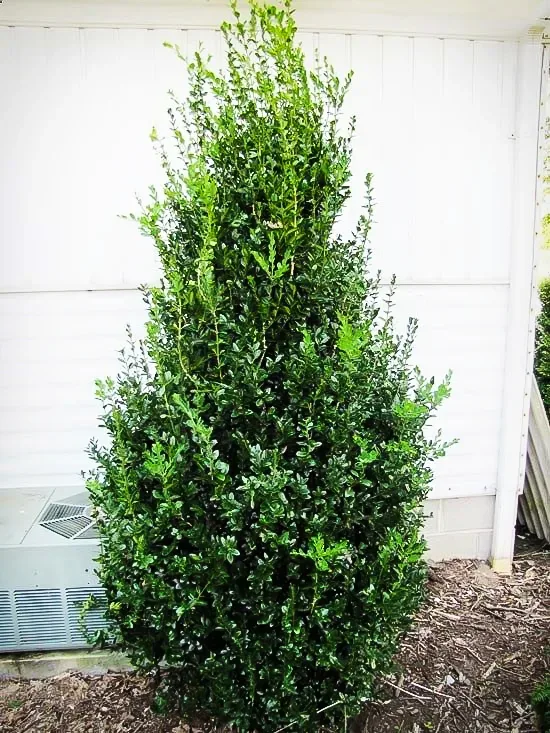
- Image 1: A tall, lush boxwood tree with dark green leaves.
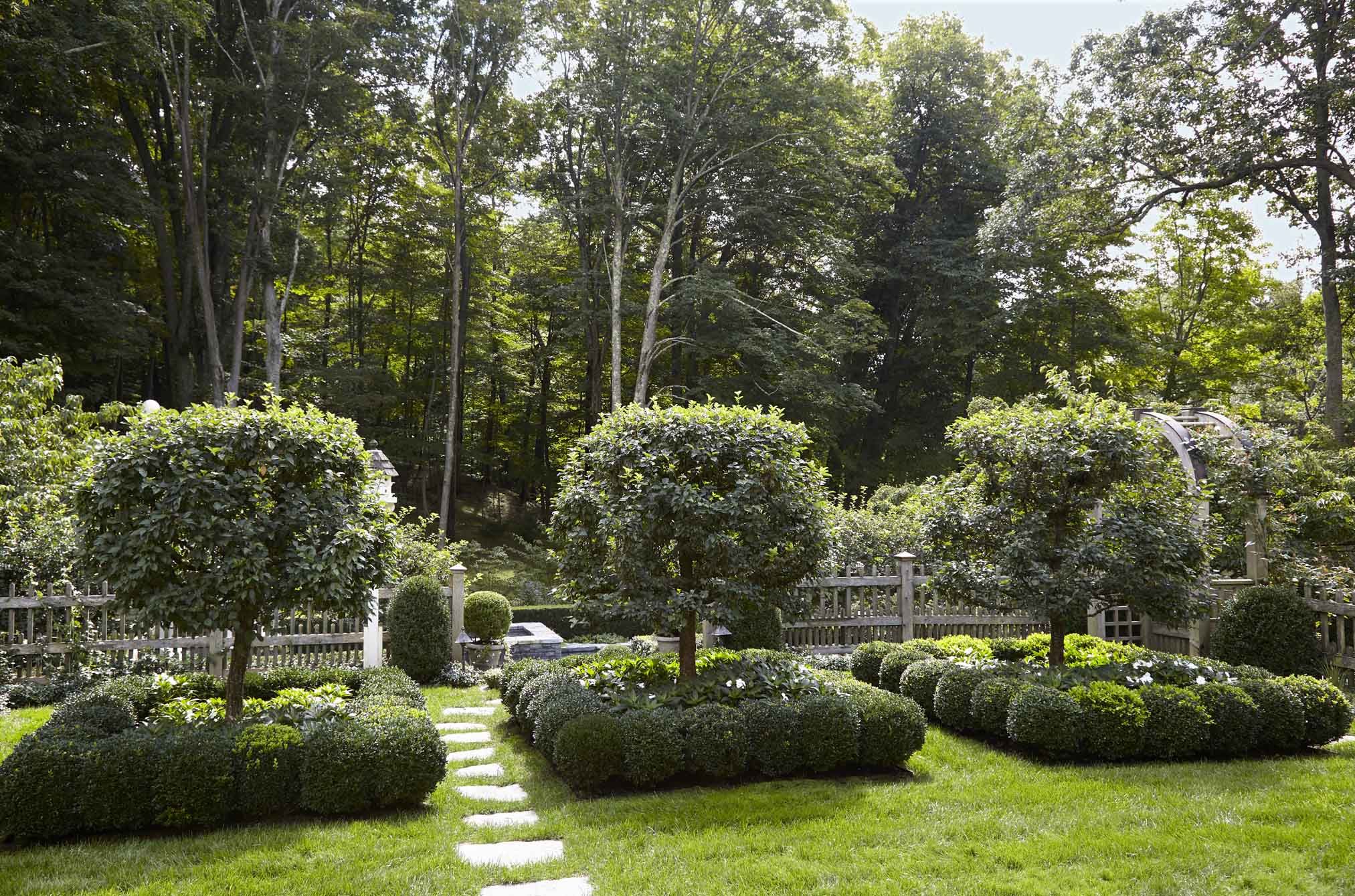
- Image 2: A group of boxwood trees in a formal garden, trimmed into geometric shapes.
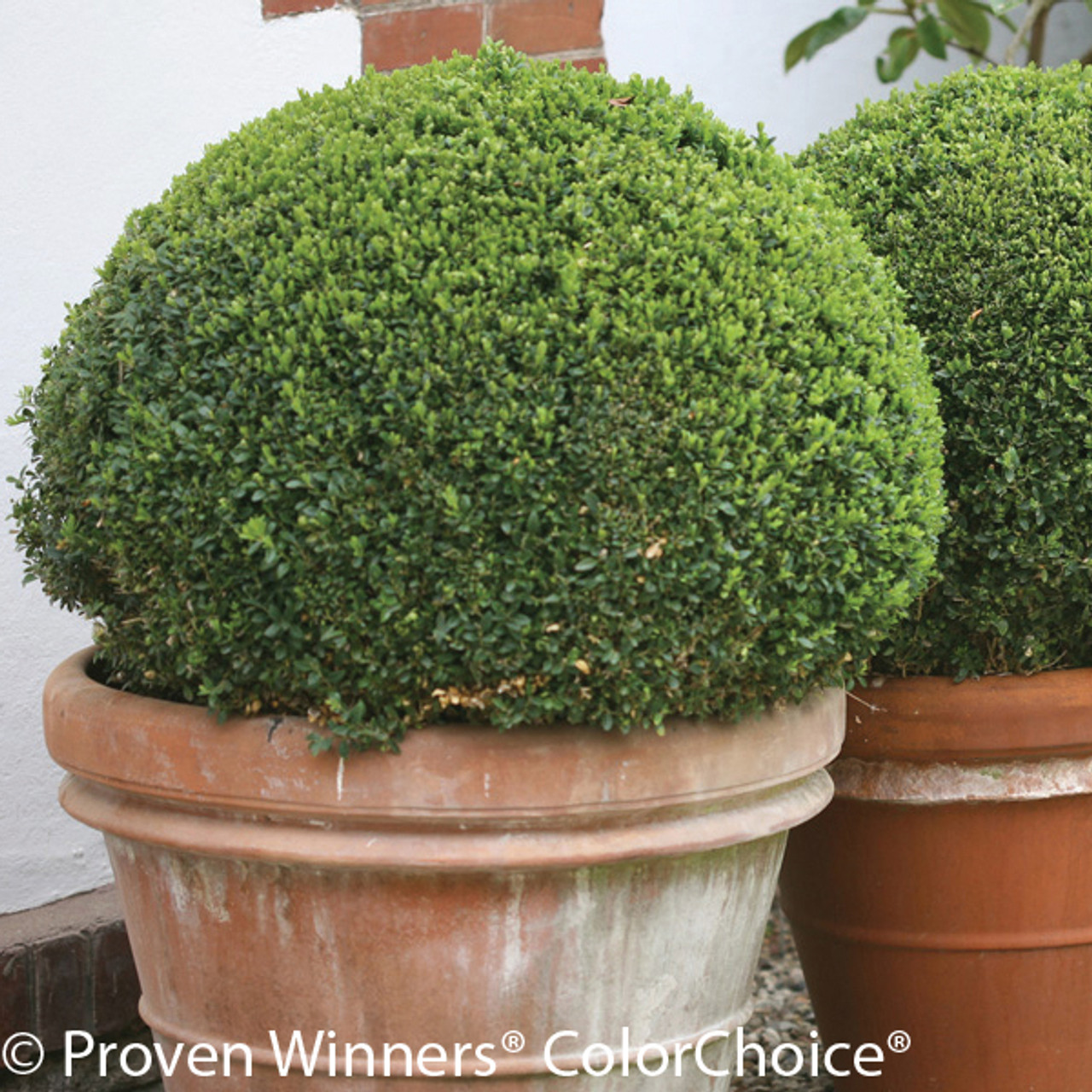
- Image 3: A small, round boxwood tree in a pot, with variegated leaves.
- Image 4: A boxwood hedge, trimmed to form a tall, solid barrier.

- Image 5: A boxwood topiary, shaped into a fanciful animal or object.


Post a Comment for "The Boxwood Tree: A Timeless Classic For Your Garden"